


Essential Tips for Effective Commercial Cleaning Success

Commercial cleaning plays a vital role in maintaining a healthy, safe, and welcoming environment for employees, customers, and visitors. Whether you manage an office building, retail space, or industrial facility, keeping your premises clean requires more than just routine sweeping and mopping. It demands a strategic approach, the right tools, and consistent effort to achieve lasting results.
This post shares practical tips to help you succeed in commercial cleaning, improve efficiency, and maintain high standards that reflect positively on your business.
Understand the Scope of Your Cleaning Needs
Every commercial space has unique cleaning requirements depending on its size, layout, and daily activities. Start by assessing your facility to identify:
High-traffic areas that accumulate dirt quickly
Surfaces prone to germs and bacteria, such as door handles and restrooms
Specialized equipment or materials that require specific cleaning methods
Areas that need regular deep cleaning versus routine maintenance
Knowing these details helps you allocate resources effectively and prioritize tasks that impact health and appearance the most.
Choose the Right Cleaning Products and Equipment
Using appropriate cleaning products and tools makes a significant difference in the quality and speed of your work. Consider the following:
Select eco-friendly and non-toxic cleaning agents to protect indoor air quality and reduce environmental impact.
Use microfiber cloths and mops that trap dust and dirt better than traditional materials.
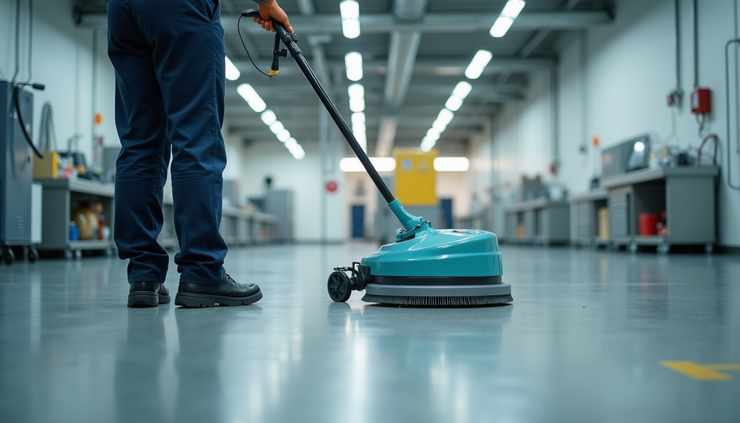
Invest in industrial-grade vacuum cleaners and floor scrubbers designed for commercial spaces.
Keep a variety of tools handy to address different surfaces such as glass, carpet, tile, and metal.
Proper equipment not only improves results but also reduces physical strain on cleaning staff.
Develop a Detailed Cleaning Schedule
Consistency is key to maintaining cleanliness. Create a cleaning schedule that outlines:
Daily tasks like trash removal, surface wiping, and floor sweeping
Weekly duties such as window cleaning, dusting vents, and disinfecting restrooms
Monthly or quarterly deep cleaning activities, including carpet shampooing and HVAC filter replacement
Assign responsibilities clearly to avoid missed areas. Using a checklist can help track progress and ensure accountability.
Train Your Cleaning Team Thoroughly
Well-trained staff deliver better results and work more safely. Provide training on:
Proper use of cleaning chemicals and equipment
Techniques for different surfaces and stains
Health and safety protocols, including personal protective equipment (PPE)
Time management and efficient workflow practices
Regular refresher sessions keep skills sharp and introduce new cleaning methods or products.
Focus on High-Touch Surfaces
Germs spread easily through frequently touched surfaces. Pay special attention to:
Door handles and push plates
Light switches and elevator buttons
Desks, keyboards, and phones
Restroom fixtures and faucets
Disinfect these areas multiple times a day, especially during flu season or outbreaks, to reduce the risk of illness.
Maintain Floors for Safety and Appearance
Floors endure heavy foot traffic and can quickly show wear or dirt. To keep them in good condition:
Sweep or vacuum daily to remove debris
Mop with appropriate cleaners to avoid damage
Use floor mats at entrances to trap dirt
Schedule periodic deep cleaning like stripping and waxing for hard floors or professional carpet cleaning
Well-maintained floors enhance safety by preventing slips and create a polished look.
Manage Waste Efficiently
Proper waste management supports cleanliness and sustainability. Implement these practices:
Provide clearly labeled recycling and trash bins throughout the facility
Empty bins regularly to prevent overflow and odors
Train staff on sorting recyclable materials correctly
Use sealed containers for hazardous waste if applicable
Good waste handling reduces clutter and environmental impact.
Monitor and Improve Cleaning Quality
Regular inspections help maintain standards and identify areas for improvement. Use these methods:
Conduct walkthroughs with a checklist to evaluate cleanliness
Gather feedback from employees and visitors about problem spots
Track cleaning times and adjust schedules if needed
Stay updated on new cleaning technologies and best practices
Continuous improvement ensures your commercial space stays clean and inviting.
Plan for Seasonal and Special Cleaning
Certain times of the year or events require extra cleaning efforts. Examples include:
Spring cleaning to address accumulated dust and grime
Post-event cleanup after conferences or large gatherings
Preparing for inspections or audits with thorough cleaning
Addressing weather-related issues like mud or salt residue in winter
Anticipating these needs helps you allocate resources and avoid last-minute rushes.
Prioritize Health and Safety
Cleaning staff face risks from chemicals, equipment, and physical strain. Protect them by:
Providing appropriate PPE such as gloves and masks
Ensuring proper ventilation when using strong chemicals
Training on safe lifting and ergonomic techniques
Keeping first aid kits accessible
A safe cleaning environment leads to better performance and fewer accidents.
Maintaining a clean commercial space requires planning, the right tools, and a committed team. By understanding your facility’s needs, using effective products, and focusing on high-impact areas, you can create a healthier and more attractive environment. Regular training and quality checks keep standards high, while attention to safety protects your staff.


Comments