


Essential Tips for Keeping Your Pets Clean and Happy

Keeping pets clean is more than just a matter of appearance. It plays a crucial role in their health, comfort, and happiness. Dirty pets can develop skin problems, attract pests, and even spread germs to family members. Whether you have a dog, cat, rabbit, or any other furry friend, maintaining their cleanliness is a key part of responsible pet care. This guide shares practical tips to help you keep your pets clean and content.
Regular Grooming Keeps Pets Healthy
Grooming is the foundation of pet cleanliness. It includes brushing, bathing, nail trimming, and ear cleaning. Each of these tasks helps prevent common problems like matting, infections, and discomfort.
Brushing removes loose fur, dirt, and prevents tangles. For example, long-haired dogs like Golden Retrievers need daily brushing, while short-haired breeds may only require weekly sessions.
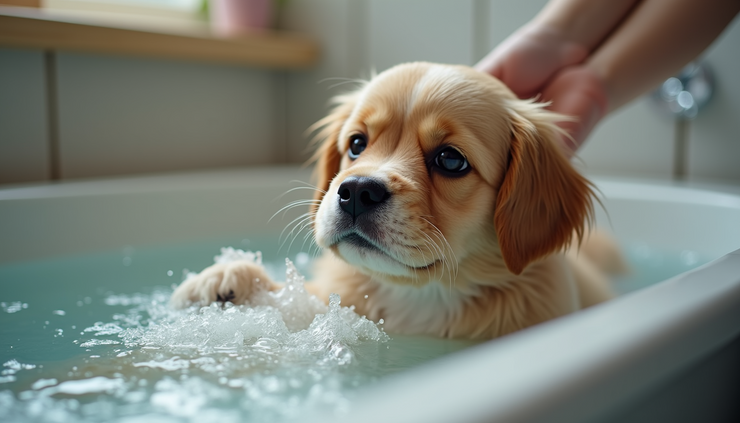
Bathing should be done as needed, depending on your pet’s activity level and coat type. Overbathing can dry out skin, so use pet-friendly shampoos and follow recommended schedules.
Nail trimming prevents overgrowth that can cause pain or injury. Check nails every two weeks and trim carefully.
Ear cleaning helps avoid infections, especially in floppy-eared dogs. Use vet-approved solutions and cotton balls, never insert anything deep into the ear canal.
Consistency in grooming builds trust and makes pets more comfortable with the process.
Keep Your Pet’s Living Area Clean
A clean environment reduces the chance of dirt and germs transferring to your pet. Regularly wash bedding, toys, and feeding bowls.
Wash pet bedding weekly in hot water to kill bacteria and remove odors.
Clean toys with mild soap and water, especially chew toys that can harbor saliva and germs.
Disinfect food and water bowls daily to prevent bacterial growth.
Vacuum and mop floors often to remove pet hair and dander.
A tidy living space supports your pet’s overall hygiene and wellbeing.

Use the Right Products for Your Pet
Choosing the right cleaning products is essential. Human shampoos, soaps, or disinfectants can irritate your pet’s skin or cause allergic reactions.
Use shampoos formulated specifically for your pet’s species and coat type.
Avoid harsh chemicals around pets; opt for pet-safe cleaning sprays and detergents.
For flea and tick prevention, consult your veterinarian for safe and effective treatments.
If your pet has sensitive skin or allergies, look for hypoallergenic grooming products.
Using appropriate products protects your pet’s skin and fur while keeping them fresh and clean.
Pay Attention to Specific Needs of Different Pets
Different animals have unique grooming and cleaning needs. Tailor your approach based on your pet’s species, breed, and lifestyle.
Dogs often need regular baths and brushing, especially active outdoor dogs.
Cats usually groom themselves but benefit from occasional brushing and nail trimming.
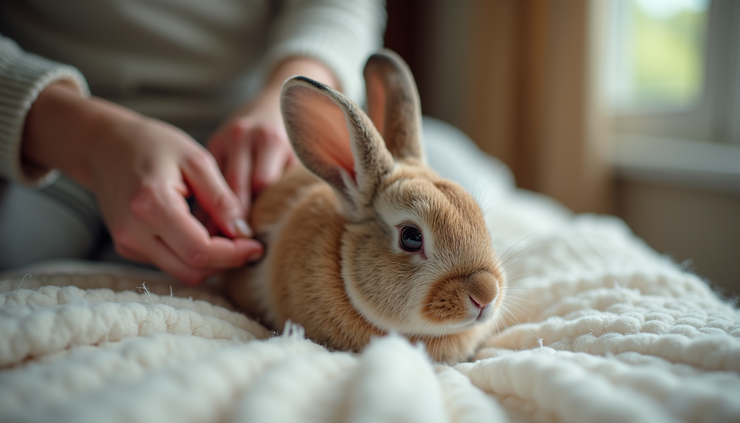
Small mammals like rabbits and guinea pigs require gentle brushing and spot cleaning.
Birds need regular cage cleaning and occasional baths or misting.
Understanding your pet’s specific needs helps you maintain their hygiene effectively.
Watch for Signs of Skin or Health Issues
Cleanliness is linked to health. Keep an eye out for signs that your pet may need extra care or a vet visit.
Redness, itching, or bald patches can indicate skin infections or allergies.
Unusual odors may signal dental problems or infections.
Excessive scratching or biting can mean fleas or mites.
Changes in behavior, such as lethargy or loss of appetite, may relate to health issues.
Early detection and treatment prevent minor problems from becoming serious.
Make Cleaning a Positive Experience
Pets respond well to gentle handling and positive reinforcement during grooming.
Use treats and praise to reward calm behavior.
Keep sessions short and gradually increase time as your pet gets used to grooming.
Create a calm environment with minimal distractions.
If your pet resists, try different techniques or seek professional groomers.
A positive experience makes cleaning easier and less stressful for both you and your pet.


Comments