


Latest Trends and Innovations in Residential Solar Panel Installation in Massachusetts

Massachusetts has become a leader in residential solar energy, driven by state incentives, technological advances, and growing environmental awareness. Homeowners in the state are increasingly adopting solar panels to reduce electricity bills and lower their carbon footprint. This post explores the latest trends and innovations shaping residential solar panel installation in Massachusetts, helping homeowners make informed decisions about going solar.
Growing Popularity of Solar Panels in Massachusetts
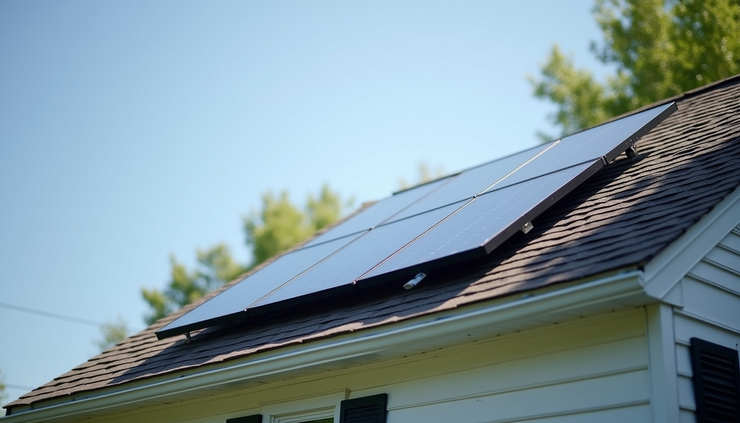
Massachusetts ranks among the top states for solar energy adoption. The state’s Solar Massachusetts Renewable Target (SMART) program offers financial incentives that make solar installations more affordable. These incentives, combined with federal tax credits, have encouraged many homeowners to invest in solar systems.
The cost of solar panels has dropped significantly over the past decade, making solar energy accessible to a wider range of residents. Additionally, Massachusetts has strong net metering policies, allowing homeowners to sell excess electricity back to the grid, further improving the return on investment.
Advances in Solar Panel Technology
Recent innovations have improved the efficiency and durability of solar panels available to Massachusetts homeowners:
Higher Efficiency Panels: Newer panels convert more sunlight into electricity, meaning homeowners can generate more power with fewer panels. This is especially useful for homes with limited roof space.
Bifacial Solar Panels: These panels capture sunlight on both sides, increasing energy output. They are gaining popularity in Massachusetts due to their ability to generate more power even in snowy or shaded conditions.
Improved Durability: Panels now come with better resistance to harsh weather, including heavy snow and strong winds common in the region.
These technological improvements help homeowners maximize energy production and savings throughout the year.
Integration with Energy Storage Systems
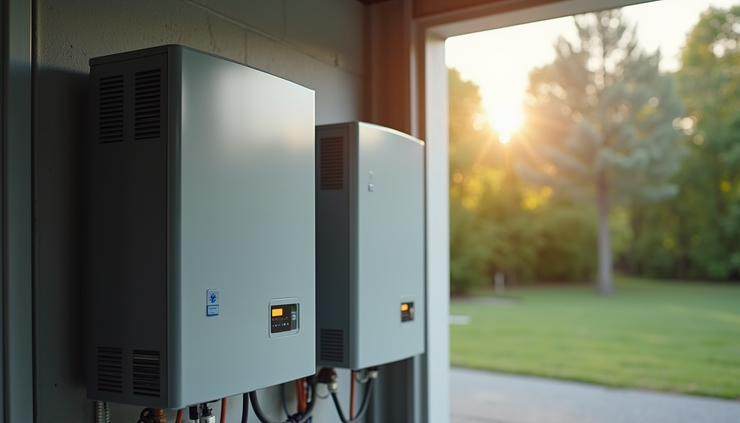
One of the most important trends in Massachusetts is the growing use of home battery storage systems alongside solar panels. Batteries store excess energy generated during the day for use at night or during power outages. This integration offers several benefits:
Energy Independence: Homeowners rely less on the grid, which is especially valuable during outages.
Cost Savings: Batteries allow users to avoid peak electricity rates by using stored energy during expensive periods.
Environmental Impact: Storing solar energy reduces reliance on fossil fuel-powered backup generators.
Popular battery options include Tesla Powerwall, LG Chem, and Sonnen, all of which are widely installed in Massachusetts homes.
Smart Solar Monitoring and Management
Modern solar systems come with smart monitoring tools that allow homeowners to track energy production and consumption in real time. These tools provide:
Detailed Usage Reports: Homeowners can see how much energy their panels produce and how much they use.
Alerts for Maintenance: Early warnings about system issues help prevent downtime.
Remote Control: Some systems allow users to adjust settings or manage battery usage remotely via smartphone apps.
This technology empowers homeowners to optimize their solar systems and maximize savings.
Massachusetts-Specific Installation Considerations
Installing solar panels in Massachusetts requires attention to local climate and regulations:
Snow Load and Roof Pitch: Installers design systems to handle heavy snow loads and optimize panel angles for winter sun.
Historic Districts: Some areas have restrictions on visible solar panels, requiring careful planning and sometimes ground-mounted systems.
Permitting Process: Massachusetts has streamlined permitting, but homeowners should work with experienced installers familiar with local codes.
Choosing a qualified installer ensures compliance and system longevity.
Financing Options and Incentives
Massachusetts offers several programs to help homeowners finance solar installations:
SMART Program: Provides payments based on the amount of solar energy produced.
Federal Investment Tax Credit (ITC): Offers a 30% tax credit on the cost of solar systems.
Mass Solar Loan Program: Low-interest loans for solar projects.
Property Assessed Clean Energy (PACE): Financing repaid through property tax bills.
These options reduce upfront costs and improve the financial benefits of solar energy.
What Homeowners Should Know Before Installing Solar Panels
Before installing solar panels, Massachusetts homeowners should:
Assess Roof Condition: Ensure the roof is in good shape to avoid costly repairs after installation.
Evaluate Energy Needs: Understand current electricity use to size the system appropriately.
Research Installers: Choose licensed, insured, and experienced solar companies.
Consider Future Plans: Think about potential home expansions or selling the property.
Proper planning leads to a smoother installation and better long-term results.
The Future of Residential Solar in Massachusetts
Massachusetts continues to support solar energy growth through policy updates and technology adoption. Emerging trends include:
Community Solar Projects: Allowing residents without suitable roofs to buy into shared solar arrays.
Electric Vehicle Integration: Combining solar with EV charging stations for cleaner transportation.
Advanced Grid Services: Using home solar and batteries to support the electric grid during peak demand.
These developments will make solar energy more accessible and beneficial for Massachusetts homeowners.


Comments